Connecting Institutions, Policies, and Action

Our Mission
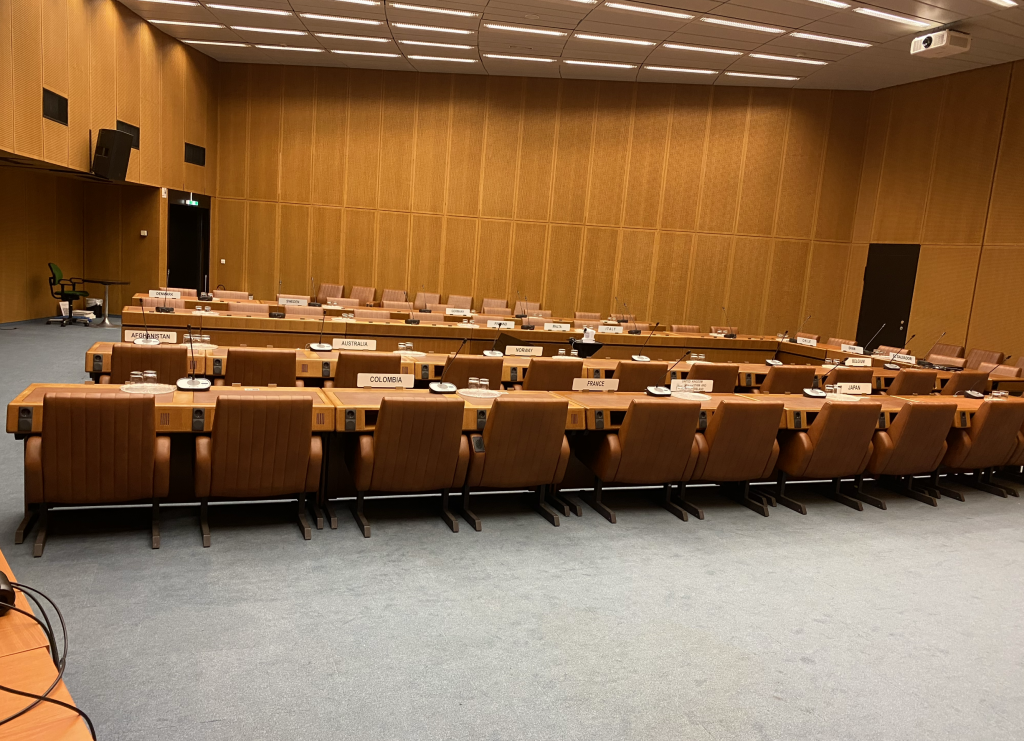
The International Federation for Sustainability and Justice (IFSJ) exists to operate at the point where global priorities are shaped and real-world action begins. Our mission is to translate international frameworks, institutional dialogue, and policy processes into concrete cooperation between global institutions, governments, civil society, and economic actors. We do not pursue isolated projects. We build long-term institutional pathways through which ideas, expertise, and initiatives can move from discussion to implementation.
What we do
IFSJ operates as a platform organization. This means we focus on:
enabling structured cooperation rather than single interventions,
supporting continuity across policy cycles rather than short-term campaigns,
connecting institutional processes with practical actors on the ground.
In practice, this includes:
facilitating dialogue between public institutions and non-governmental actors,
contributing structured expertise and perspectives into international processes,
supporting initiatives that align economic development with social responsibility and environmental sustainability,
and creating frameworks through which cooperation can be sustained over time.

Lasting change does not emerge from isolated actions, but from cooperation designed to endure.
Areas of work
Our work spans multiple domains where economic development, social responsibility, and governance intersect, including:
- sustainable economic development and investment frameworks
- responsible innovation and technology transition
- social inclusion and community-based development
- institutional capacity-building and multi-stakeholder cooperation
Rather than limiting our focus to one theme or geography, we operate across sectors and regions, responding to how global challenges are actually addressed in institutional settings.
Our Approach
IFSJ works through participation, coordination, and continuity. We engage with:
- international institutions and multilateral processes,
- governments and public agencies,
- civil society organizations,
- and private-sector actors committed to responsible engagement.
Our role is not advocacy for its own sake, but structured contribution — helping align interests, clarify priorities, and support cooperation that is institutionally viable and practically grounded.
SUSTAINABLE DEVELOPMENT GOALS
The Sustainable Development Goals (SDG) are a global framework adopted by all United Nations Member States in 2015 to guide international efforts toward sustainable development by 2030. The 17 goals address interconnected global challenges, including economic development, social inclusion, environmental sustainability, and responsible governance. Together, they provide a shared roadmap for governments, institutions, civil society, and the private sector to work toward long-term prosperity, resilience, and equitable progress worldwide.