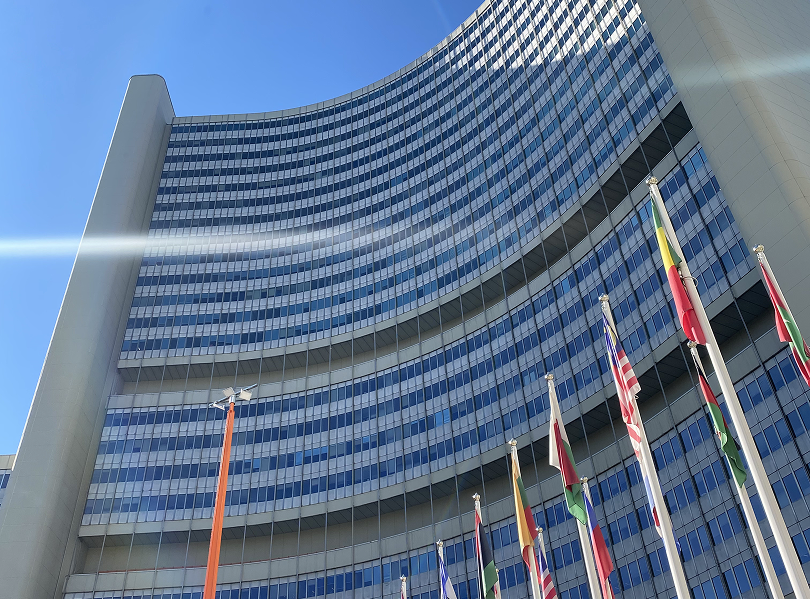
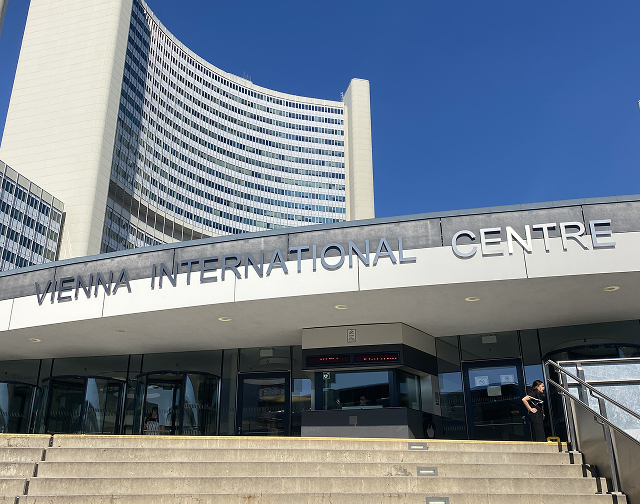
The United Nations System
The United Nations is a global institutional framework that brings together governments, international organizations, and structured non-governmental actors to address economic, social, and humanitarian challenges that no country can manage alone.
Beyond diplomacy and declarations, the UN provides permanent mechanisms where priorities are debated, coordinated, and translated into long-term international action. Much of this work takes place within specialized councils and platforms designed for continuous engagement.
 ECOSOC Confirmation.pdf
 Where Global Decisions Take Shape
One of the most important of these platforms is the United Nations Economic and Social Council (ECOSOC).
- economic and social policy coordination
- development cooperation and alignment
- implementation and follow-up of global commitments
- structured engagement between governments, UN bodies,
- and accredited non-governmental organizations
ECOSOC serves as a functional interface where policy positions are shaped, refined, and carried forward.
Why Civil Society Is Part of the UN System
Modern global challenges cannot be addressed by governments alone. Effective international policy requires:
- expertise grounded in economic and social reality
- continuity beyond political cycles
- structured input from non-governmental actors operating in real-world contexts
For this reason, the UN formally integrates selected civil society organizations into its work through consultative status, granted selectively based on credibility and institutional relevance.
What Consultative Status Means in Practice
Consultative status establishes a formal, ongoing institutional relationship between an NGO and the United Nations. It enables:
- participation in high-level UN conferences, forums, and sessions
- direct engagement with UN bodies and Member State delegations
- submission of written contributions and oral interventions
- organization and participation in official side events
Most importantly, it provides structured and predictable access to the UN system over time.
How IFSJ Operates Within the UN System
The International Federation for Sustainability and Justice (IFSJ) acts as an institutional actor within the UN ecosystem, not as a peripheral observer. In practical terms, IFSJ:
- structures complex economic and social realities into coherent institutional input
- elevates civil-society perspectives to international decision-making environments
- frames issues in ways governments and UN bodies can act upon
- sustains informed participation across multiple UN policy processes
IFSJ does not campaign inside the UN. It contributes substance, clarity, and long-term perspective where strategic decisions are shaped.
Mutual Expectations and Value Exchange
The relationship between ECOSOC and accredited NGOs is reciprocal. The UN expects NGOs like IFSJ to contribute:
- serious and relevant expertise
- reliable institutional engagement
- substantive contributions to international discussions
In return, ECOSOC provides:
- recognized standing within the UN system
- access to high-level conferences, forums, and policy environments
- opportunities to engage with governments, UN agencies, and other accredited actors
Institutional Positioning
Through its consultative status, IFSJ brings structured real-world knowledge into global decision-making and ensures that international discussions translate into informed, practical outcomes beyond the conference room — where policy meets reality. Concrete priorities and focus areas are detailed in the Mission and Areas of Work.